
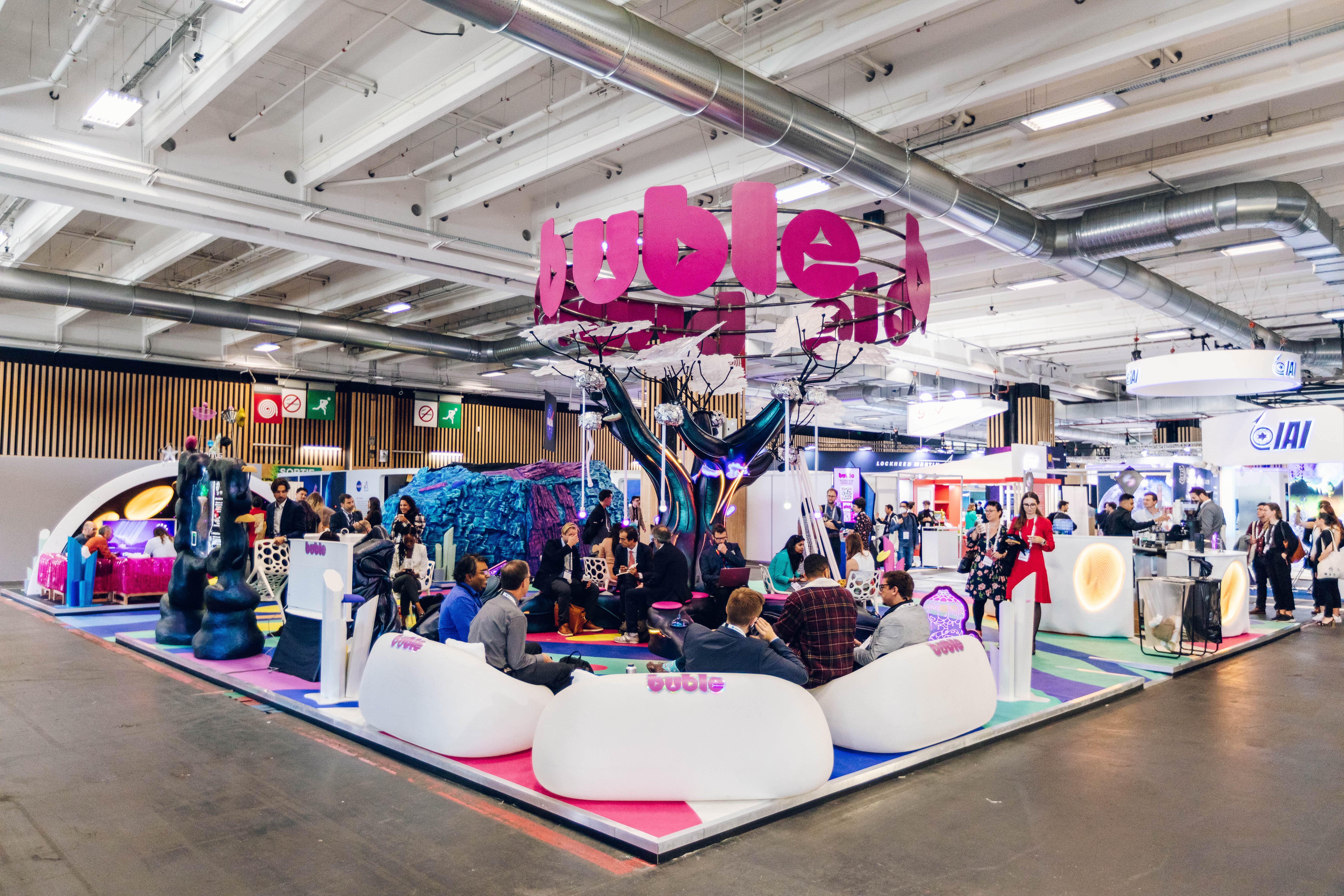
PULSE Miami Beach sets up each December in a purpose-built Oceanfront Tent rather than a permanent hall, drawing roughly twenty thousand visitors to a stretch of sand and boardwalk just steps from the water. There's no loading dock at a tent structure; every crate, pedestal, and lighting rig comes off a truck at street level and gets hand-trucked or forklifted across temporary flooring to the booth.
Getting a truck onto Miami Beach in the first place is its own logistics problem during Art Week. The barrier island connects to the mainland by a handful of causeways, including MacArthur, Julia Tuttle, and Venetian, and December traffic around Art Basel and its satellite fairs backs those crossings up for hours. Trade Show Logistics Miami times PULSE Miami Beach deliveries around that congestion rather than fighting it.
What matters most for a tent-structure fair on the beach
Book a specific causeway crossing window instead of guessing at Art Week traffic.
Plan for street-level unload at the Oceanfront Tent, since there is no conventional loading dock.
Protect crated work from salt air and beach humidity during any hold time before move-in.
Getting freight onto the barrier island
Miami Beach doesn't have PortMiami's container yards or a rail spur; everything for PULSE Miami Beach arrives by truck across one of the causeways connecting the island to the mainland. During Art Week, city permitting also restricts oversize truck movement on Collins Avenue and Ocean Drive around certain hours, so a delivery window has to account for both traffic and permit timing.
Trade Show Logistics Miami builds the routing plan backward from the Oceanfront Tent's actual access point on the sand side, confirming with show management which streets stay open for trucks and which get closed for pedestrian flow once the fair opens.
Load-in without a loading dock
A tent has no dock, no freight elevator, and no climate-controlled holding area. Crates come off the truck onto temporary roadway or a staging lot, then move across plywood or turf flooring to the booth by hand truck or small forklift. That changes the freight plan, since crate sizes, pallet counts, and unpacking sequence all have to match what a small crew can physically move across sand-adjacent ground in a single work shift.
Salt air and December humidity are also a factor for anything sensitive, like canvas, paper, or unsealed frames. Trade Show Logistics Miami holds that freight in climate-controlled advance warehouse space inland and only brings it to the tent close to the actual install window, rather than staging it dockside on the beach for days.
Strike and return freight from the Oceanfront Tent
PULSE Miami Beach comes down fast once the fair closes, and a temporary tent structure gets torn down on a tight schedule set by the beach permit, not by exhibitors. Trade Show Logistics Miami pre-schedules return pickups so re-crated artwork is off the sand and back into the truck queue before the tent itself has to be cleared.
From there, return freight routes out through MIA for air shipments or gets staged for ocean freight through PortMiami, with pickup timing scheduled around the same causeway congestion that shaped the inbound plan.
- Use the format to set the right support scope early.
- Let venue reality shape how aggressive the build or production plan can be.
- Protect the audience-facing result before trimming the parts that make it work.
Permitting a temporary structure on a barrier island
Setting up a tent on Miami Beach sand is not only a freight question, it's a permitting one. The City of Miami Beach controls street closures, noise ordinances, and truck access hours around Art Week events like PULSE Miami Beach separately from whatever the fair's own producer arranges, and Trade Show Logistics Miami confirms both sets of approvals before locking in a delivery schedule.
Florida's right-to-work status also keeps drayage crews flexible on a tent build, where the same small team often handles unload, interior placement, and packing-material removal in one continuous pass rather than switching between separate union crews at each stage.
Freight FAQ for PULSE Miami Beach
Is there a loading dock at the Oceanfront Tent?
No. PULSE Miami Beach's tent structure is set up directly on the sand and boardwalk, so freight comes off the truck at street level and moves to the booth by hand truck or small forklift rather than through a conventional dock.
How do you get trucks onto Miami Beach during Art Week?
Every delivery has to cross one of the barrier-island causeways, and December traffic around Art Week backs those crossings up significantly. Trade Show Logistics Miami books delivery windows around the congestion rather than around a fixed schedule.
How do you protect artwork from beach humidity before install?
Sensitive freight is held in climate-controlled advance warehouse space away from the beach and only brought to the Oceanfront Tent close to the actual install window, rather than sitting dockside in salt air.
How fast does PULSE Miami Beach strike happen?
The tent comes down on a schedule set by the beach permit, which moves faster than a typical convention-hall teardown. Return freight pickups are pre-scheduled so exhibitors aren't caught holding crates once the structure has to be cleared.