
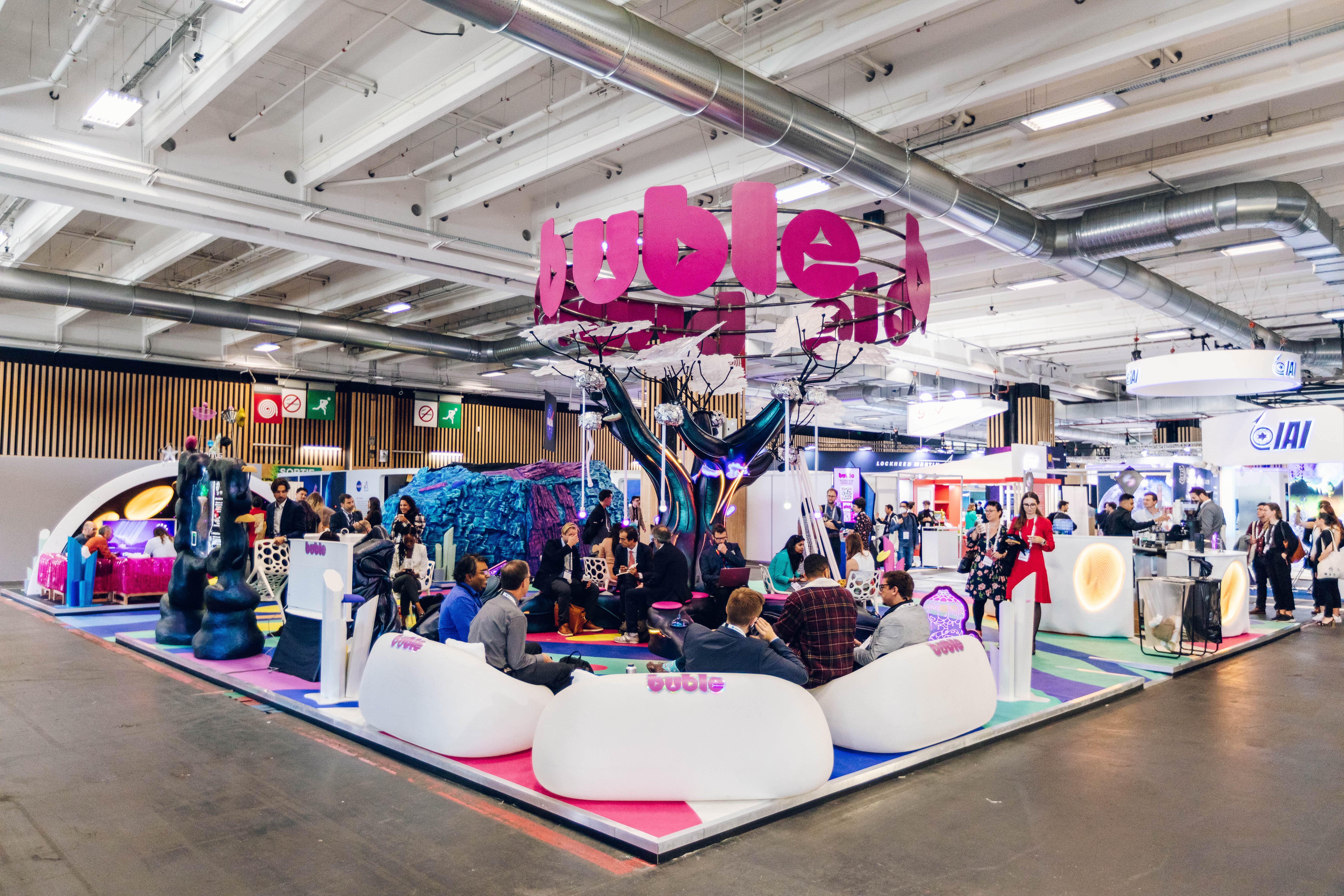
Art Miami draws roughly seventy-five thousand visitors to a custom-built tent in the Wynwood Arts District each December, making it the highest-attendance art fair on Miami's calendar and, freight-wise, the one with the heaviest volume of large-format artwork moving through a single structure. Where a smaller fair like NADA Miami works out of a compact venue, Art Miami's footprint is built specifically to handle a bigger volume of galleries and larger individual pieces.
That scale changes the freight math. Large-format canvases, sculpture, and multi-crate installations require more careful handling and more insurance-conscious staging than the freight volume at a boutique fair, and the fair's longer run, spanning several public days rather than a single opening, means freight planning has to account for mid-run replenishment, not only one move-in.
What high-volume art-fair freight requires
Plan crate handling for large-format canvases and sculpture, not only standard gallery pedestal freight.
Use climate-controlled advance warehouse staging given December's Miami heat and humidity.
Account for mid-run freight needs across Art Miami's multi-day public schedule, not only opening day.
Freight volume at the scale of Art Miami
With roughly seventy-five thousand attendees and a large tent structure built to match, Art Miami carries a heavier volume of large-format artwork than most of the smaller December fairs. Sculpture, oversized canvases, and multi-piece installations move through the tent's load-in area on a schedule that has to account for crate size and handling equipment, not only delivery timing.
Trade Show Logistics Miami plans crate handling equipment, including dollies, soft-strap lifts, and sometimes small forklifts depending on piece size, into the delivery plan for Art Miami galleries specifically because the average piece size here runs larger than at a boutique fair.
Climate-controlled staging through Art Week
December in Miami still brings real heat and humidity, and large-format artwork sitting in transit or short-term storage needs stable conditions, not only a dry warehouse. Trade Show Logistics Miami holds Art Miami freight in climate-controlled advance warehouse space through the Art Week congestion window, releasing pieces to the Wynwood tent on a schedule matched to gallery install slots rather than a single bulk delivery.
Insurance requirements for higher-value pieces also shape how freight moves, with condition reporting at pickup, controlled handling during transit, and documented custody through each step of the move into the tent.
Multi-day run means freight doesn't stop at opening
Art Miami's public run spans several days rather than a single evening, and galleries sometimes need mid-run freight support, such as a replacement piece, additional inventory, or a sold work that needs to leave early. Trade Show Logistics Miami keeps advance warehouse capacity available through the full run of the fair, not only the initial move-in window, so galleries have a way to move freight in or out mid-show.
At strike, the volume of return freight scales with the fair's size: more crates, more large-format packing, and a longer teardown period than a smaller boutique fair, which Trade Show Logistics Miami plans for with extended pickup windows rather than a single-day strike schedule.
- Use the format to set the right support scope early.
- Let venue reality shape how aggressive the build or production plan can be.
- Protect the audience-facing result before trimming the parts that make it work.
Crew continuity across a multi-day fair
A fair that runs several public days benefits from freight crews who stay consistent across the whole run rather than rotating in fresh each day. Florida's right-to-work rules let Trade Show Logistics Miami keep the same team on Art Miami from initial move-in through mid-run replenishment to final strike, which matters when a gallery needs a familiar crew who already knows a specific piece's handling requirements.
Advance warehouse space in the Doral/Medley corridor west of the airport gives Art Miami galleries a predictable staging point for large-format freight, close enough to Wynwood for a short final-mile haul but far enough from the Art Week congestion to avoid the worst of December's citywide bottleneck.
Freight FAQ for Art Miami
Is freight handling different for Art Miami than for a smaller fair?
Yes. Art Miami's attendance and tent footprint support a heavier volume of large-format artwork, such as sculpture, oversized canvases, and multi-piece installations, which requires more crate-handling equipment and planning than a boutique fair's freight.
How is artwork protected from December heat and humidity before install?
Freight is held in climate-controlled advance warehouse space through the Art Week congestion window and released to the Wynwood tent on a schedule matched to each gallery's install slot rather than delivered in bulk.
Can you support mid-run freight needs during the fair?
Yes. Advance warehouse capacity stays available through Art Miami's full multi-day run, so galleries can move a replacement piece, additional inventory, or a sold work in or out mid-show.
How long does return freight pickup take after Art Miami closes?
Longer than at a smaller fair, given the volume of crates and large-format packing involved. Extended pickup windows are planned rather than a single-day strike schedule.