
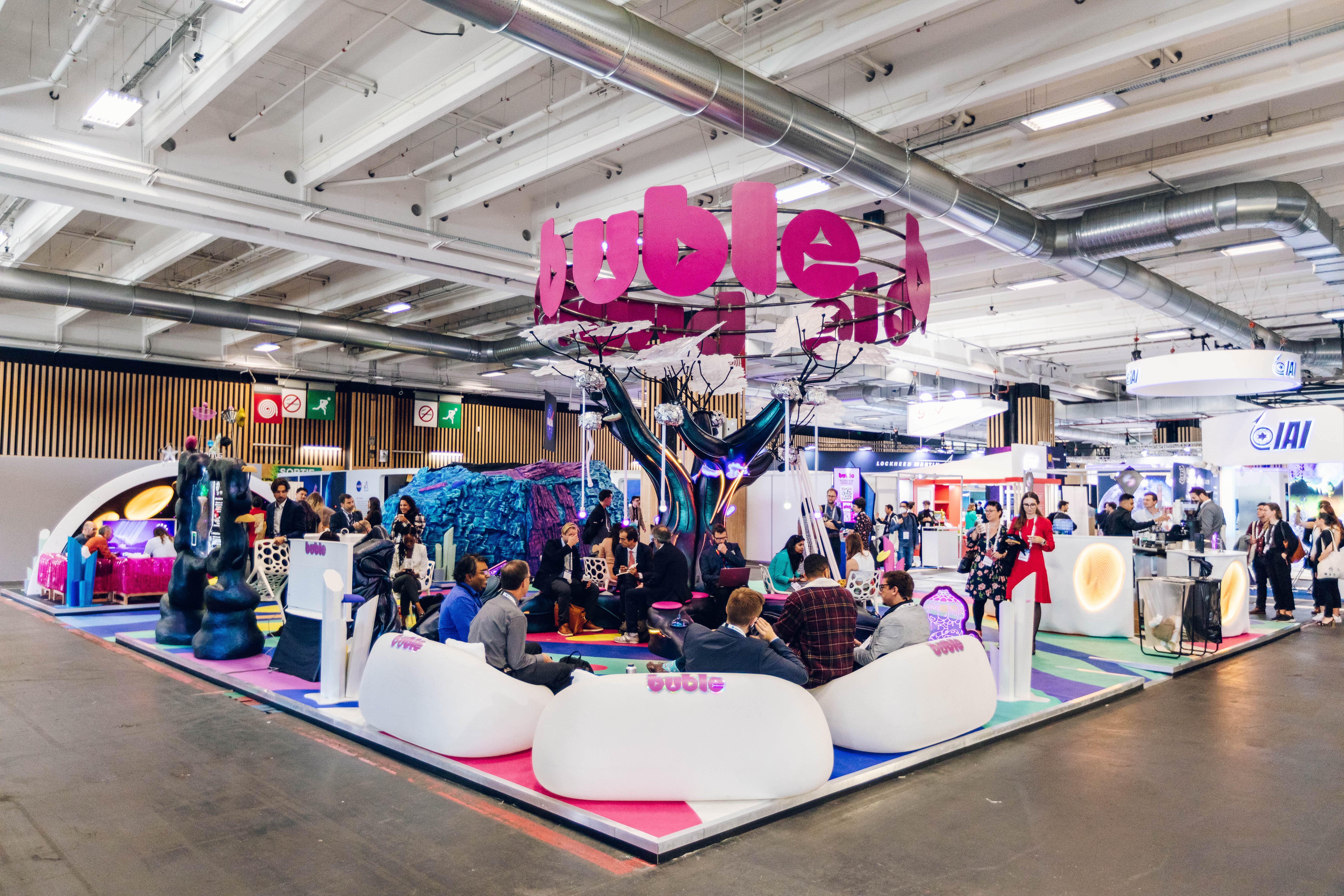
CLIA Cruise360 is the one event on this calendar where PortMiami is not only a freight gateway; it's part of the venue itself. The conference splits programming between the Miami Beach Convention Center and working PortMiami facilities, drawing roughly five thousand cruise-line executives, port officials, and suppliers into a footprint that mixes a standard convention hall with an active cargo and passenger terminal.
That combination means Trade Show Logistics Miami is coordinating two very different access environments for the same event: convention-center dock scheduling on one side, and port security and terminal access protocols on the other, which don't run on the same rules or timeline.
What a dual convention-center-and-port event requires
Coordinate separate access credentials for Miami Beach Convention Center and PortMiami terminal freight.
Confirm port security screening timelines well ahead of any PortMiami-side delivery.
Plan exhibit freight for branded cruise-line activations, which run larger than typical conference booth freight.
Two venues, two sets of access rules
The Miami Beach Convention Center side of CLIA Cruise360 runs on familiar convention-center dock scheduling, with booked delivery windows, standard drayage, and freight elevators. The PortMiami side runs on working-port rules, including security screening and terminal access protocols that don't pause for a conference. Trade Show Logistics Miami manages both as genuinely separate freight tracks rather than treating PortMiami as an extension of the convention hall.
Because PortMiami is an active passenger and cargo facility, delivery windows there also have to work around cruise ship turnarounds and terminal traffic that has nothing to do with the conference at all.
Exhibit freight for cruise-line activations
CLIA Cruise360's exhibitor base is cruise lines, port authorities, and major suppliers, and their booth freight tends to be larger and more elaborate than a typical conference display, including branded activations, ship model displays, and technology demos built to impress an audience of industry decision-makers rather than a general trade-show crowd. Freight volume per exhibitor often runs heavier than the event's five-thousand-attendee count would suggest.
Trade Show Logistics Miami's advance warehouse program is useful here specifically because it lets exhibitors stage larger activation freight ahead of the show rather than trying to compress a heavier build into the convention center's standard delivery window.
Why this event sits naturally in our own freight lanes
Trade Show Logistics Miami already routes standard trade-show freight through PortMiami for ocean shipments, so coordinating delivery for an event actually held partly at the port is closer to our normal operating footprint than most conferences. That familiarity with terminal access and port scheduling carries directly into how Cruise360 freight gets planned.
Return freight after the conference follows the same split logic: convention-center freight exits through standard drayage, while anything moving through the PortMiami side is coordinated around the terminal's active operating schedule rather than a fixed teardown window.
- Use the format to set the right support scope early.
- Let venue reality shape how aggressive the build or production plan can be.
- Protect the audience-facing result before trimming the parts that make it work.
Advance warehousing from the Doral/Medley corridor
Trade Show Logistics Miami's advance warehouse space sits in the Doral/Medley corridor west of the airport, which puts CLIA Cruise360 exhibit freight within a short, predictable haul of both the Miami Beach Convention Center and PortMiami. That matters for an event split across two venue types, since freight staged there can be released toward whichever side of the conference needs it without a long cross-town move.
Florida's right-to-work rules also let the same crew work both the convention-center delivery in the morning and a PortMiami-side delivery later the same day, provided port security clearance is already in place, rather than needing two separately dispatched teams.
That single-crew continuity also simplifies documentation, since one team tracking freight across both the convention-center and PortMiami legs of the same exhibitor's shipment can flag a discrepancy immediately rather than after a handoff between separate dispatch teams.
Freight FAQ for CLIA Cruise360
Why does this event involve PortMiami directly, not only as a shipping route?
CLIA Cruise360 splits its programming between the Miami Beach Convention Center and working PortMiami facilities, so PortMiami functions as an actual venue for part of the conference, not only as a freight gateway.
Do convention-center and PortMiami deliveries follow the same access rules?
No. Convention-center freight runs on standard dock scheduling, while PortMiami-side deliveries require port security screening and terminal access coordination that operates on a different timeline entirely.
Is exhibit freight larger for this event than a typical conference?
Often, yes. Cruise-line exhibitors tend to bring branded activations, ship model displays, and technology demos that run heavier than standard conference booth freight, which is part of why advance warehouse staging is useful here.
Can you route international freight through PortMiami for Cruise360 exhibitors?
Yes. International freight for CLIA Cruise360 participants is within our standard scope, and our familiarity with PortMiami terminal operations carries directly into how this event's freight gets planned.